

On Rereading Edith Wharton's 'House of Mirth'
Chihuahuas, sobbing for fictional characters, and the tragedy of Lily Bart

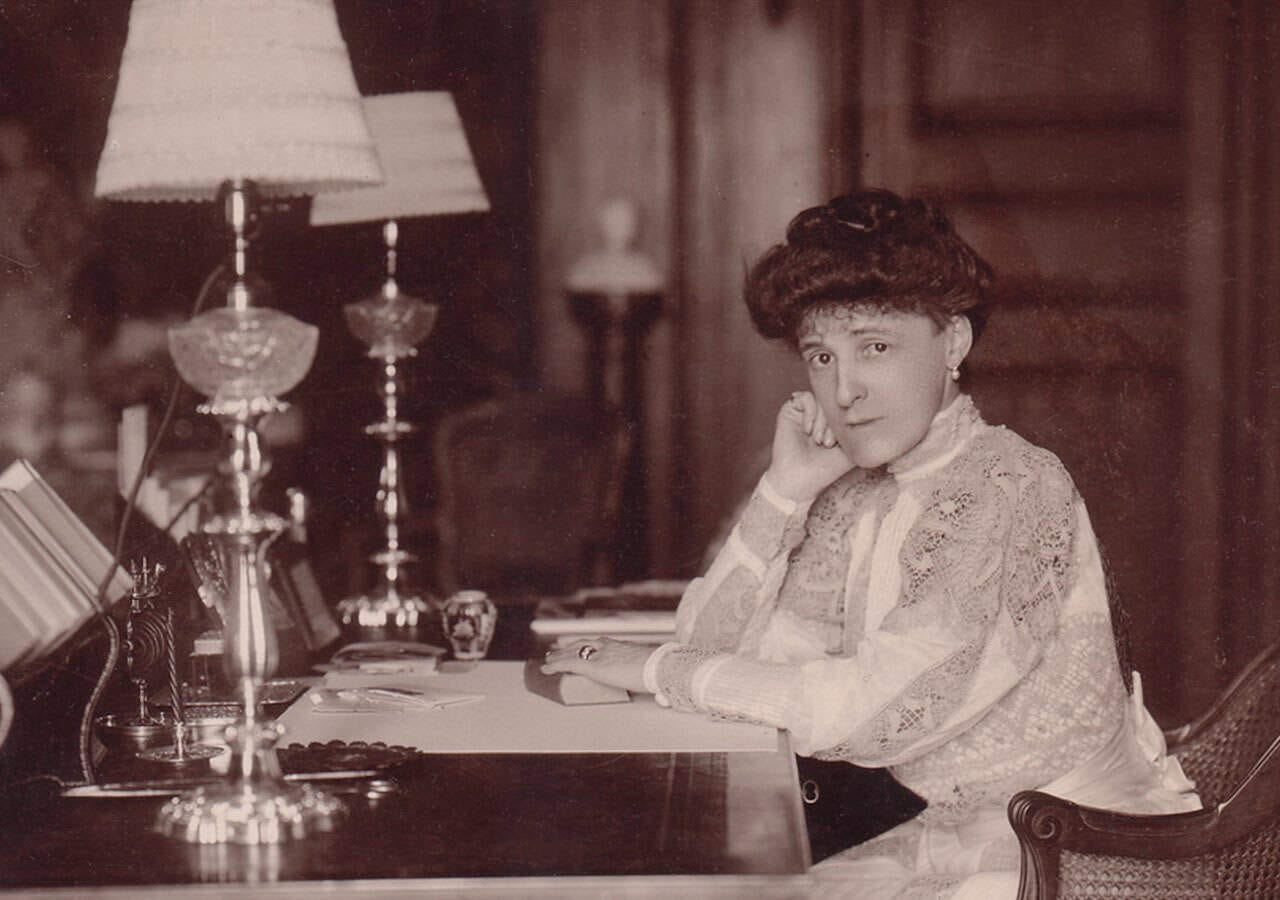
It’s that time of year again—time to reread Edith Wharton’s second novel The House of Mirth (1905) and see no signs of ever tiring of doing so.
Doing so made me revisit an essay I’d written about it years ago—and rethink what I wrote back then.
Because rereading (or rewatching, relistening, etc.) is a strange thing. I mean, there’s so much content—stuff—in the world (I wish there were more content, said no one ever). Why would we ever re anything?
The House of Mirth’s protagonist Lily Bart is like no other heroine—beautiful, bored, proto-feminist, funny, false to others, smart, puerile, self-destructive, and doomed. Trapped in a society in which women are ostensibly forced to marry, Lily is twenty-nine—the point of no return lest she descend into spinsterhood—and must land a husband despite her independence and a fervent desire to be alone. Only rich widows and “unmarriageable” women get to be “free.”
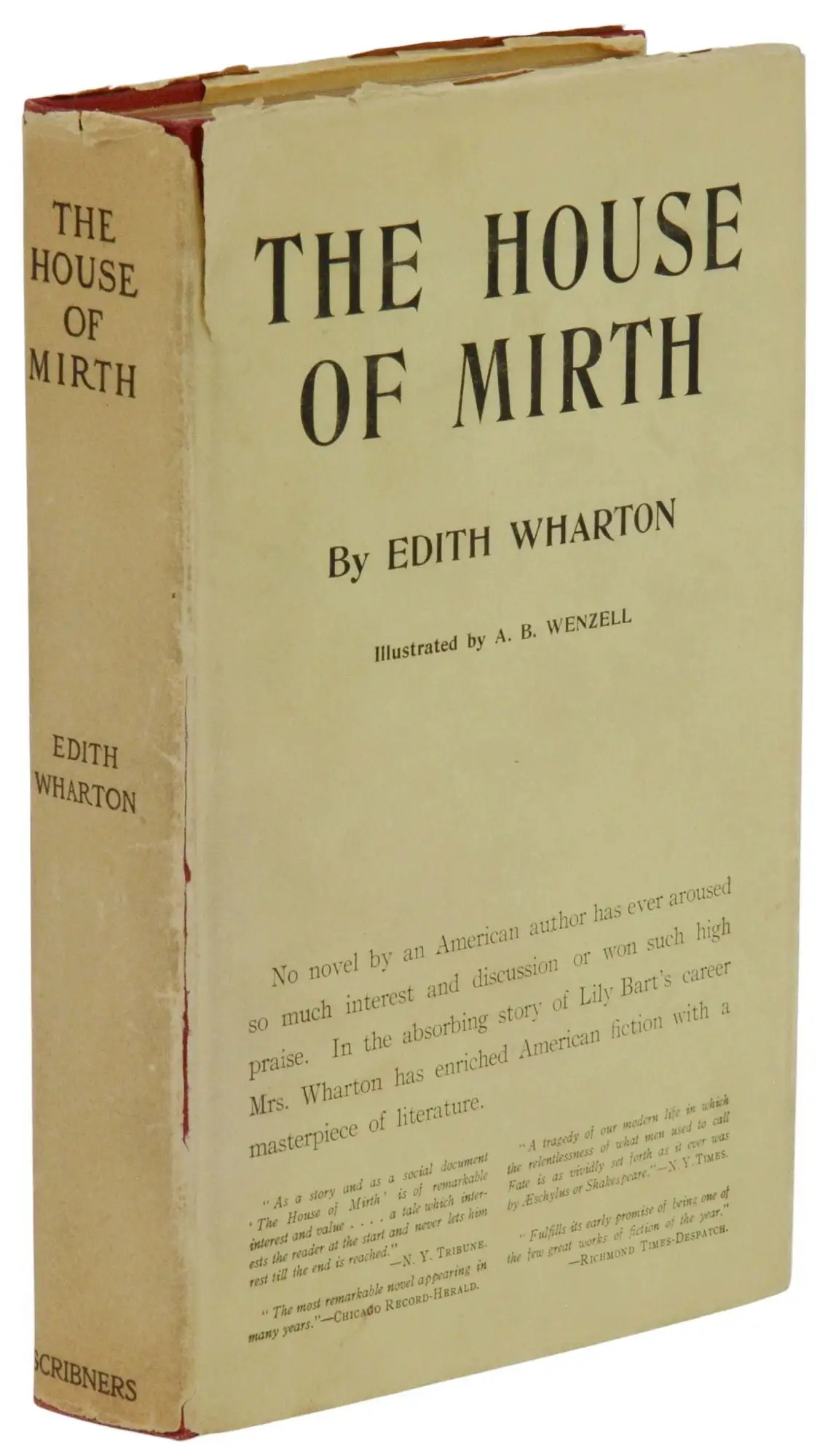
But Lily doesn’t want to marry in the first place, and she’s not at all “unmarriageable,” i.e., she’s beautiful, charming, and knows how to “please” a man (i.e., when necessary she can act the part). She couldn’t be unmarriageable if she tried. Unmarriageable women devote themselves to helping the poor, live modestly, and become a saint. Lily likes to gamble and party (nineteenth-century style) and doesn’t have an altruistic bone in her body (though she tries). When another character mentions an “unmarriageable” woman who has her own apartment as an example of how Lily might live independently, Lily says, “But we’re so different, you know: she likes being good, and I like being happy.”
There’s more to Lily’s situation than the fear of being unfashionable. She doesn’t have an income. Being unmarried will relegate her to poverty.
But why reread it so often? (I think we’re getting on at least ten times.) Yes, Wharton’s prose is gorgeous. The characters are so real they seem to be physically in the room with you. But there are lots of books with those attributes.
I mean, I’m not a toddler. Why read the same story to myself again and again? (We all end up our own parents or guardians reading to ourselves in adulthood.)
And it’s hardly a feel-good story. Why put myself through it?
True, I love Wharton as a writer and for who she was as a woman. She writes almost exclusively about the upper classes, but readers and critics are mistaken when they call her full-length works “novels of manners.” No, Wharton was fierce, and her work exposes not just the falsity of America’s caste system, but how deadly (literally) it is to women.
I reread two other books every or most years—both downers as well: The Great Gatsby (not exactly a laugh riot) and Brothers Karamazov (hilarious—if you get the Peter Margasak translation; the others totally miss out on Dostoyevsky’s humor) but also violent, sad, and depressing.
Put a movie or TV show or song you have on repeat. Someone I know rewatches the Godfather trilogy every Christmas. Yet he loves it. But why that trilogy, on that day? It’s hardly Rudolph or Frosty.
I get the ritual factor. I’m a sameness enthusiast in all things. I eat pretty much the same three meals every day.
Though Mirth is brutally sad, rereading makes the misery familiar. Each time I delve in, it’s easier to recognize.
But that makes it no less sad. Maybe confronting Lily’s sadness in the safety of the novel’s pages makes my own more manageable.
Or maybe it’s more than that.
Maybe rereading (rewatching, listening over and over) can evolve us as humans. I’m not sure it can show us who we are or who we’re becoming but maybe it can help us glimpse who we aren’t anymore—and maybe that we’re lucky for it.
It’s Lily’s failure to take care of herself that made me weep the first time I read the novel in my twenties—sob, actually. Full, heaving sobs.
At the time, I wasn’t caring for myself—though not in the same ways. I was Lily then. I recognized in her my willfulness matched only by my self-destructiveness.
Reading it every year, I get to see how Lily has stayed the same, which means maybe I’ve changed.
Thank you for reading! This is a reader-supported publication. You can support my work by becoming a paid subscriber—
—or by buying (or gifting) a copy of my national bestselling memoir, Pathological.

I haven’t read the Edith Wharton yet.
I too love EW and House of Mirth is my absolute favorite. As someone who writes about incarceration, the book has always struck me with its many iterations of self-imprisonment. She was a genius and a badass.
In grad school I took an Edith Wharton and Henry James seminar. Did you know they were good friends? Their letters are incredible.